

 Nov 19, 2026
 3 min read
Every casino game is a math problem dressed up as entertainment. Strip away the flashing lights, the free drinks, and the near-miss animations, and what yo
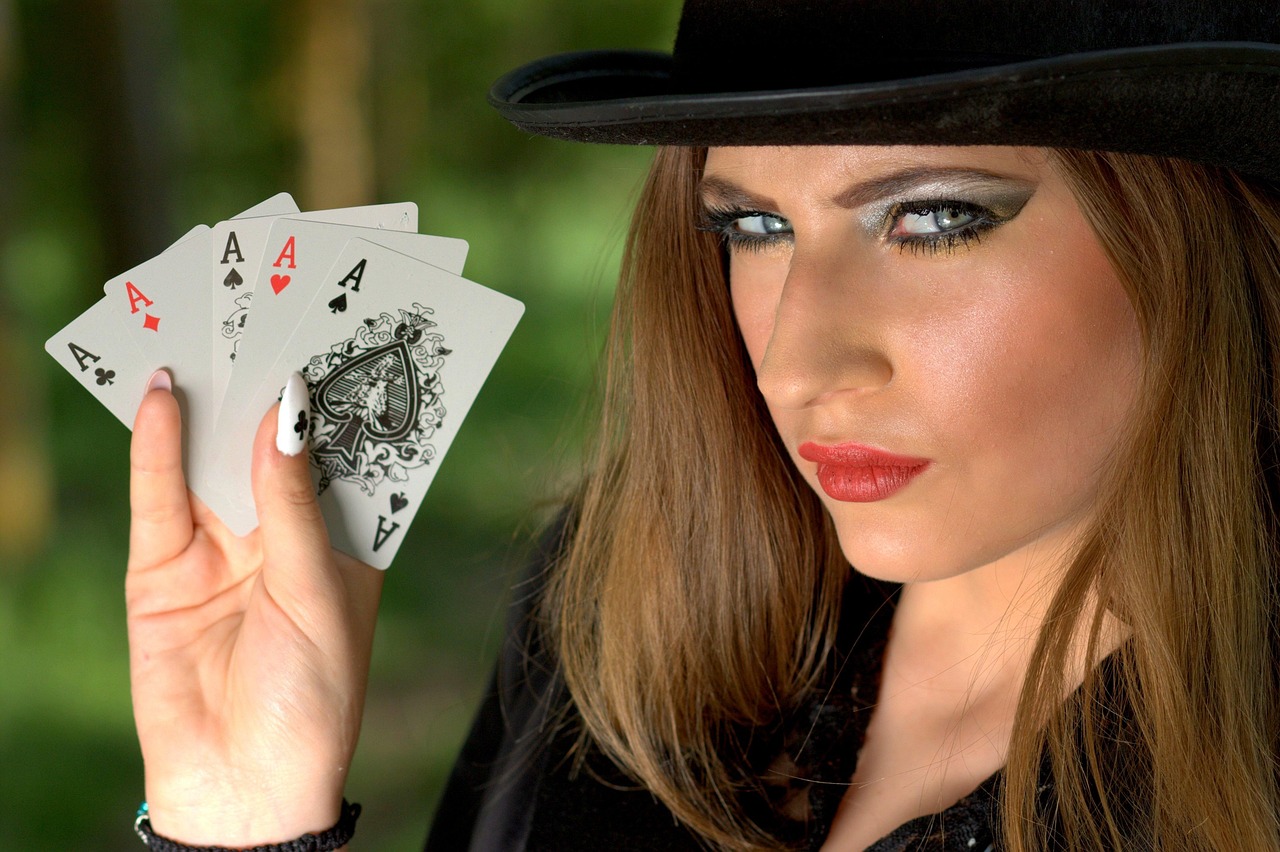
Every casino game is a math problem dressed up as entertainment. Strip away the flashing lights, the free drinks, and the near-miss animations, and what you're left with is a house edge—a small, relentless tax on every bet you place. The smartest players aren't the ones who hit the biggest jackpots; they're the ones who understand exactly what that tax looks like before they sit down. Whether you're spinning slots at 3 a.m. or grinding a $2/$5 poker table, knowing the numbers changes how you play.
Think of the house edge as the casino's built-in profit margin. If a game has a 2% edge, the casino expects to keep $2 for every $100 wagered over the long run. You'll win individual bets, sometimes big ones, but the math always tilts their way eventually.
What matters more than the edge itself is house edge × hands (or spins) per hour. A blackjack table with a 0.5% edge played at 100 hands per hour will grind you down far faster than a slot machine with a 10% edge played at 20 spins per hour. This is why serious players care about both the percentage and the speed of the game.
Nobody walks into a casino to play slots for the mathematical purity of it. But if you're going to spend money on them, understand two things: return to player (RTP) and volatility.
Online slots commonly advertise RTPs between 95% and 97%. Land-based machines in Las Vegas typically fall between 85% and 92%, depending on the jurisdiction. That gap matters. A 96% RTP slot theoretically returns $96 for every $100 wagered over millions of spins—but in a single session, variance is everything.
Volatility describes how a game pays out. High-volatility slots like Book of Dead or Money Train 3 hit less often but can pay enormous multiples. Low-volatility games like Starburst pay small amounts frequently, giving you more playtime per dollar.
A practical tip: always check the RTP in the game's help menu, not the marketing page. Some providers publish lower-paying versions of the same slot to different operators.
Table games offer something slots can't: decisions that change the math. Blackjack is the classic example. Played with perfect basic strategy, the house edge on a standard six-deck game sits around 0.5%. Play badly—hitting on 16 against a dealer's 7, for instance—and that edge balloons past 2%.
Baccarat is the opposite. There's no skill involved; it's pure probability. The banker bet carries a 1.06% house edge (after commission), the player bet is around 1.24%, and the tie bet is a staggering 14.4%. If you're playing baccarat, bet banker and skip the tie. Every time. There is a useful overview at สล็อต.
Roulette splits players into two camps. European roulette (single zero) has a 2.7% edge on every bet. American roulette (double zero) nearly doubles that to 5.26%. If you have the choice, always pick the European wheel—otherwise you're paying an extra 2.56% for nothing.
Poker is unique because you're not playing against the house; you're playing against other people. The casino just takes a rake—typically 5% of each pot, capped at $3 to $6 depending on the stakes. Whether you win or lose is determined by your skill relative to the other players at the table.
This means poker is beatable. Not easily, not quickly, but consistently over thousands of hands if you're better than your opponents.
If you're new to poker, start at micro-stakes (1¢/2¢ blinds) on sites like PokerStars or GGPoker. Losing $50 while learning hurts less than losing $500.
Casino bonuses are marketing, not charity. That 100% match deposit offer comes with wagering requirements—often 30x to 50x the bonus amount, sometimes the bonus plus deposit.
Here's what a 35x wagering requirement on a $100 bonus actually means: you must place $3,500 in bets before withdrawing anything. If you're playing a 2% edge game, that bonus expects to cost you $70 in the long run. Suddenly it does not look so generous.
The best bonus offers are the ones with low wagering (20x or less) and games you actually enjoy playing. If the terms confuse you, skip it.
There is no system that beats the house in slots or roulette. Anyone claiming otherwise is selling something—a book, a course, or a dream. What you can do is choose games with lower edges, manage your bankroll like an adult, and treat bonuses as what they are: a temporary discount on entertainment, not a winning strategy.
The players who last aren't the ones chasing losses at 4 a.m. They're the ones who set a budget, know the math, and walk out the door on their own terms. That's not luck. That's discipline—and in a casino, discipline is the only edge that's truly yours.
Provide clear contact information, including phone number, email, and address.

This post covers tips on color schemes, fonts, and visuals to keep your profile visually appealing and cohesive.
 Sep 18, 2026

Gen Z is reshaping digital interaction. Learn what matters to this generation and how to create authentic, meaningful content.
Sep 15, 2026

Gen Z is reshaping digital interaction. Learn what matters to this generation and how to create authentic, meaningful content.
Sep 9, 2026
Unlock the tools and insights you need to thrive on social media with Emberknoll. Join our community for expert tips, trending strategies, and resources that empower you to stand out and succeed.

Emberknoll is your hub for the latest in digital innovation, technology trends, creative insights. Our mission is to empower creators, businesses, valuable resource.
© 2026 Hearth & Thistle. All rights reserved.


Tags
Matthew Kuhnemann
8/2/2024
“I love how this breaks down the importance of consistency and authenticity. It's easy to get caught up in trends, but staying true to yourself really is key. Great read!"